
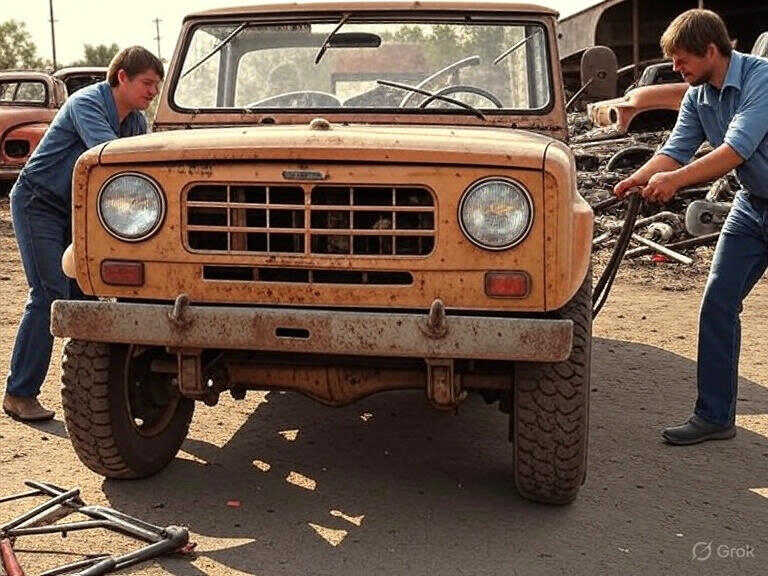
Over the past five years, a quiet but passionate movement has been gaining traction among automotive enthusiasts: the revival of the International Harvester Scout II. Once a rugged competitor to the likes of the Jeep CJ and Ford Bronco, the Scout II—produced from 1971 to 1980—has emerged from junkyards and barns to reclaim its place on the open road. This blog post examines the reasons behind this growing interest, the challenges and rewards of restoring vintage SUVs, and the community that is driving this resurgence.
A Brief History of the Scout II
The International Harvester Scout II was a versatile, boxy off-roader designed for farmers, adventurers, and anyone needing a tough, go-anywhere vehicle. With its simple design, removable hardtop, and robust inline-six or V8 engines, the Scout II was a workhorse that could handle everything from muddy trails to snowy backroads. Despite its cult following, production ended in 1980 due to financial struggles at International Harvester, and many Scout IIs were left to rust in fields or junkyards.
For decades, the Scout II remained a niche interest, overshadowed by more mainstream classics. With the turn of the century, a combination of nostalgia, market trends, and a DIY ethos has sparked a renaissance for this underdog.
Why the Scout II Is Making a Comeback?
1. Nostalgia and Retro Appeal

The past five years have seen a surge in demand for vintage vehicles with character, driven by a broader cultural fascination with retro aesthetics. The Scout II’s boxy silhouette, minimalist design, and rugged charm resonate with enthusiasts who want something unique compared to modern, homogenized SUVs. Its resemblance to the now-iconic early Ford Bronco (which has seen its own revival) has also helped put the Scout II back in the spotlight.
2. Rising Values in the Classic SUV Market
The classic SUV market has exploded, with vehicles like the Ford Bronco, Toyota Land Cruiser, and Jeep CJ commanding premium prices. As these models become more complicated to find or prohibitively expensive, enthusiasts have turned to the Scout II as a more affordable alternative with a similar off-road pedigree. Restored Scout IIs now fetch anywhere from $30,000 to $70,000, depending on condition, while project vehicles can be found for as little as $5,000—a bargain compared to their competitors.

3. DIY and Maker Culture

The rise of DIY culture, fueled by YouTube tutorials, online forums, and social media, has empowered a new generation of hobbyists to tackle restoration projects. The Scout II’s simple mechanical design makes it an ideal candidate for amateur mechanics. From rebuilding carburetors to swapping in modern drivetrains, restoring a Scout II is both accessible and rewarding. Posts on X highlight countless garage-built Scouts, with owners sharing tips, progress photos, and stories of their junkyard finds.
4. Community and Connection
The Scout II has fostered a tight-knit community of owners, restorers, and admirers. Events like the annual Scout and IH Truck Nationals, along with regional meetups, have seen an increase in attendance since 2020. Online platforms, such as Binder Planet and dedicated Facebook groups, provide spaces for enthusiasts to trade parts, share knowledge, and celebrate their projects. This sense of camaraderie has been a major driver in keeping the Scout II revival alive.

Challenges of Bringing a Scout II Back to Life

Restoring a Scout II is not without its hurdles. Many of these vehicles have spent decades exposed to the elements, resulting in extensive rust, particularly in the floorpans and rocker panels. Sourcing parts can also be tricky, as International Harvester ceased operations in the 1980s. While aftermarket support has improved, some components, such as specific trim pieces or interior parts, require searching through junkyards or paying a premium for NOS (new old stock).
Mechanical issues, such as worn-out suspensions or tired engines, often demand significant time and investment. Many restorers opt to modernize their Scouts with upgrades like fuel injection, disc brakes, or even LS Engine Swaps, which add complexity to the project. Despite these challenges, the satisfaction of turning a forgotten relic into a roadworthy classic keeps enthusiasts hooked.
The Rewards of the Revival
For those who take on the challenge, the rewards are immense. A restored Scout II is a head-turner, blending vintage style with the capability to tackle off-road trails or cruise city streets. Owners often describe the visceral joy of driving a vehicle they’ve poured their heart into, from the roar of the engine to the tactile feel of the manual gearbox.
The Scout II’s versatility also adds to its appeal. Whether converted into a beach cruiser with a soft top, an overland rig with roof racks, or a show-quality restoration, the Scout II can be tailored to fit any vision. Plus, with the recent announcement of a modern Scout EV by Volkswagen (which acquired the Scout name), interest in the original models has only grown, as collectors and enthusiasts seek to preserve the legacy.

The Community’s Role in the Resurgence
The Scout II’s revival is as much about people as it is about the vehicles. Enthusiasts on X.com frequently share stories of finding Scouts in unlikely places—abandoned farms, overgrown lots, or rural junkyards—and the thrill of giving them new life. Small businesses specializing in Scout restoration, such as Anything Scout and Scout Connection, have seen an increase in demand, offering a range of services from parts to complete builds. Meanwhile, grassroots events and social media have created a global network of Scout lovers who inspire each other to keep wrenching.


Looking Ahead
The Scout II’s journey from junkyard to open road is a testament to the power of passion, ingenuity, and community. As interest continues to grow, the Scout II is carving out a permanent place in the classic car world, proving that even forgotten vehicles can find a second life. Whether you’re a seasoned restorer or a newcomer dreaming of your first project, the Scout II offers a unique opportunity to connect with automotive history and create something truly special.
If you’re curious about joining the Scout II revival, start by checking out local junkyards, browsing online marketplaces, or connecting with the community on Binder Planet or X. Who knows? Your next adventure might just be waiting under a tarp in a forgotten corner of the world.
Back:
More Blathering: